
DIn the history of global fashion, few silhouettes have managed to span three centuries without losing an ounce of their functional relevance. The Hanten (袢纏) is one of those little-known masterpieces of Japanese minimalist design. Originating in the heart of the Edo period (1603–1867), this short coat padded with cotton batting was originally the quintessential work uniform: worn by artisans, neighborhood merchants, and the formidable Tokyo Fire Department (the Hikeshi), it provided immediate thermal protection while leaving the arms completely free to move without restriction.
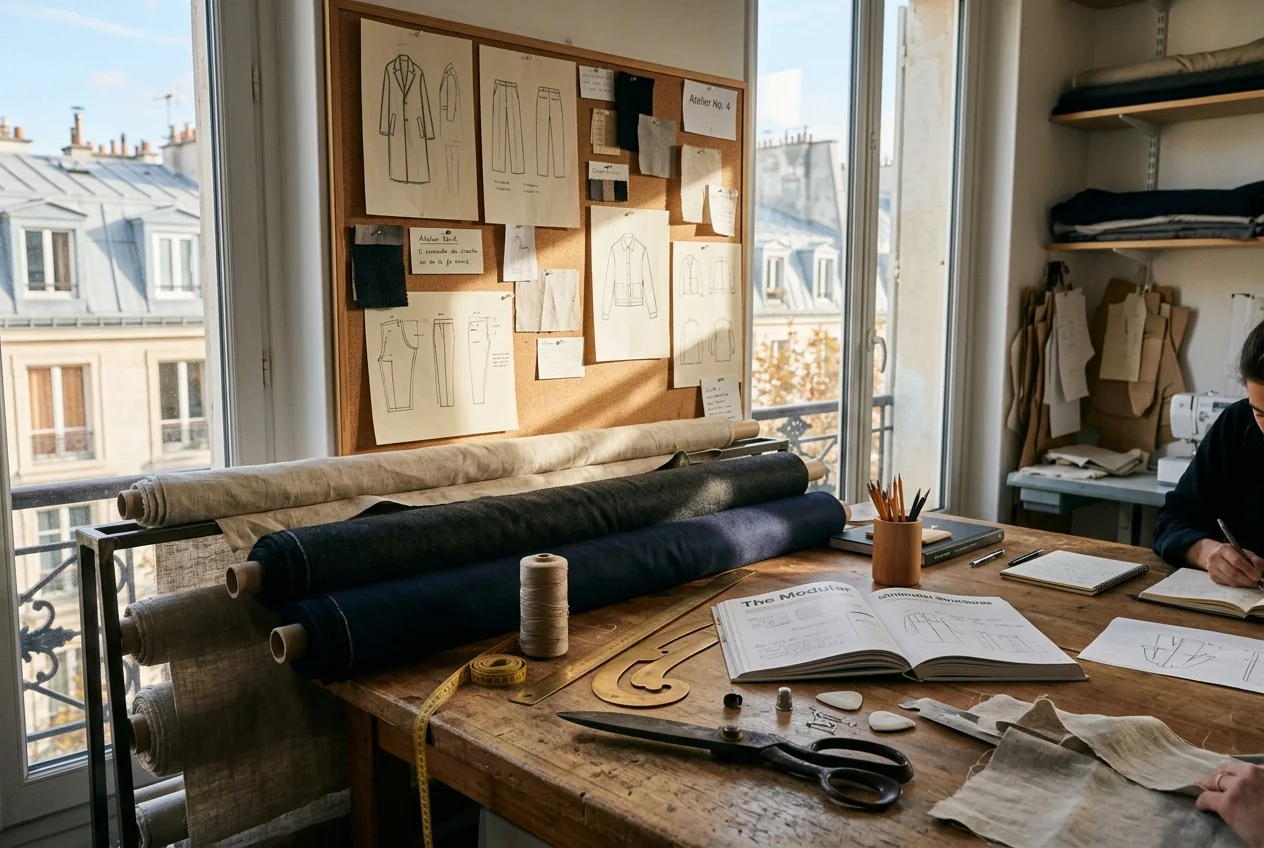
When we sketched the first designs for the Kanten collection in our Parisian studio, we were driven by one obsession: how could we translate this age-old freedom of movement into the jerky rhythm of a contemporary metropolis? How could we reconcile the austere poetry of Japanese minimalism with the meticulous precision of the French tailored wardrobe? From this aesthetic tension emerged the Flupke jacket.
The Roots of Hanten: A Celebration of Freedom of Movement
Unlike traditional Western jackets, which are characterized by a fitted sleeve head, rigid armholes, and restrictive buttonholes that constrain the torso, the traditional Japanese hanten is based on a simple geometry of straight panels cut without wasting fabric. The garment does not seek to constrain the body within a rigid framework; rather, it envelops it, moves with it, and works in harmony with its anatomy.
For the Flupke jacket, we’ve retained this «drop-shoulder» construction, which eliminates chafing and allows for a full range of motion. Whether you’re hopping on a city bike, boarding a crowded subway car, or spending the day hunched over a drawing board, the Flupke never pulls at your back, never rides up at the collar, and always maintains its understated elegance.
«We wanted to create a protective garment like a craftsman’s armor, yet as soft and flowing as an indoor haori. A coat you slip on without a second thought and refuse to take off.»
Stéphane — Founder and designer at Kanten
Why «Flupke»? From the flying squirrel to urban vitality
We're often asked where this unique name comes from. «Flupke» is a poetic play on words with two layers of meaning. On the one hand, it evokes the momonga, this small, nocturnal flying squirrel endemic to Japan’s high-altitude forests. When you spread your arms in the Flupke jacket, the fluid curve of the armholes under the armpits evokes the aerodynamic membrane of this fascinating animal, giving the silhouette an almost graphic, airy fluidity.
On the other hand, Flupke is a loving tribute to the rebellious and urbane spirit of European culture: that curious, ever-alert kid who roams the cobblestone streets of capital cities with a benevolent audacity. It is precisely this tension between Asian rigor and European laid-back attitude that we sought to capture in the play’s narrative.
Anatomy of the Flupke Kanten Jacket
- Sponsored by: Unisex loose fit, moderate batwing sleeves without restrictive shoulder seams.
- Signature closure: 3 pairs of N52 neodymium magnets hermetically sealed beneath the interior trim panels.
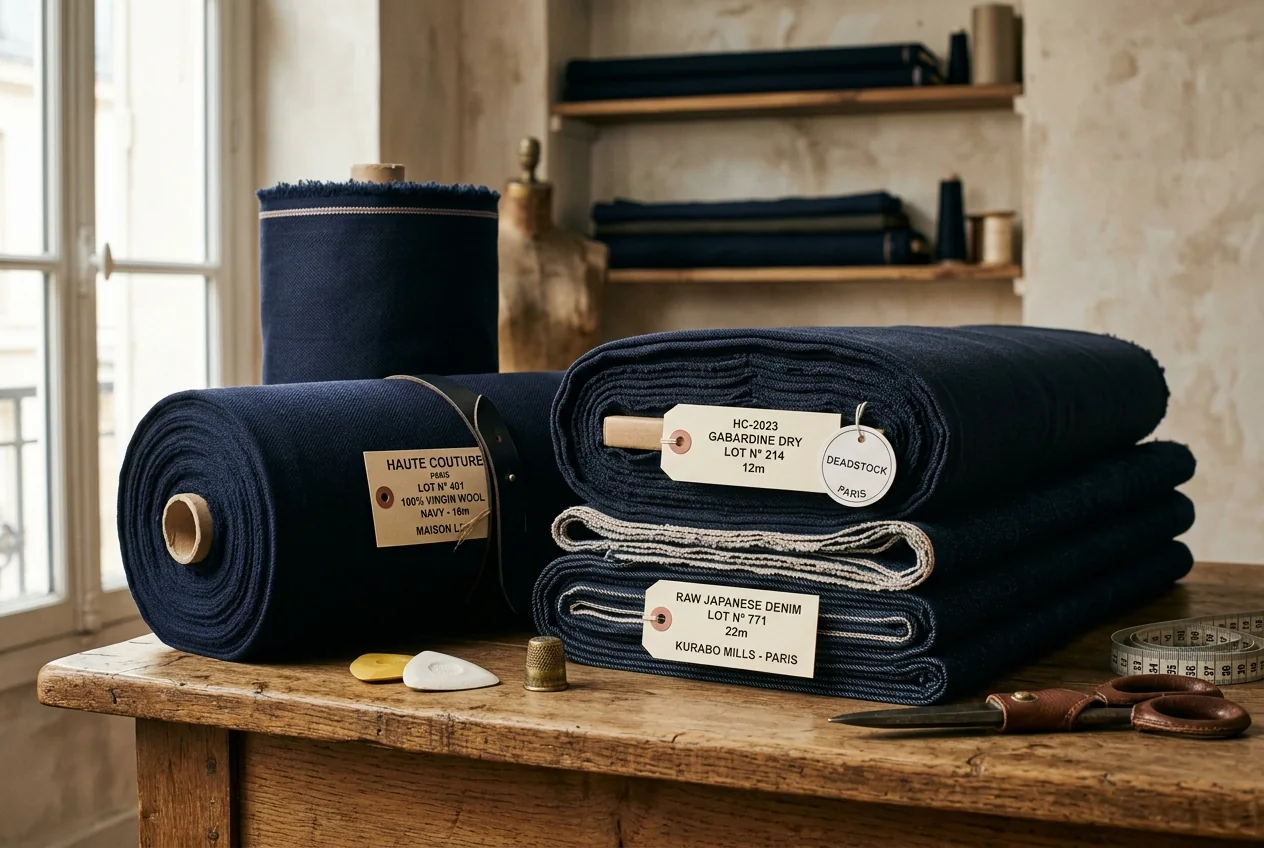
- Subjects: Upcycled wool sheet sourced from French luxury fashion houses (380 g/m²) or heavyweight GOTS-certified organic cotton twill.
- Pockets: 2 large patch pockets reinforced with interior stitching + 1 hidden zippered pocket for a passport and smartphone.
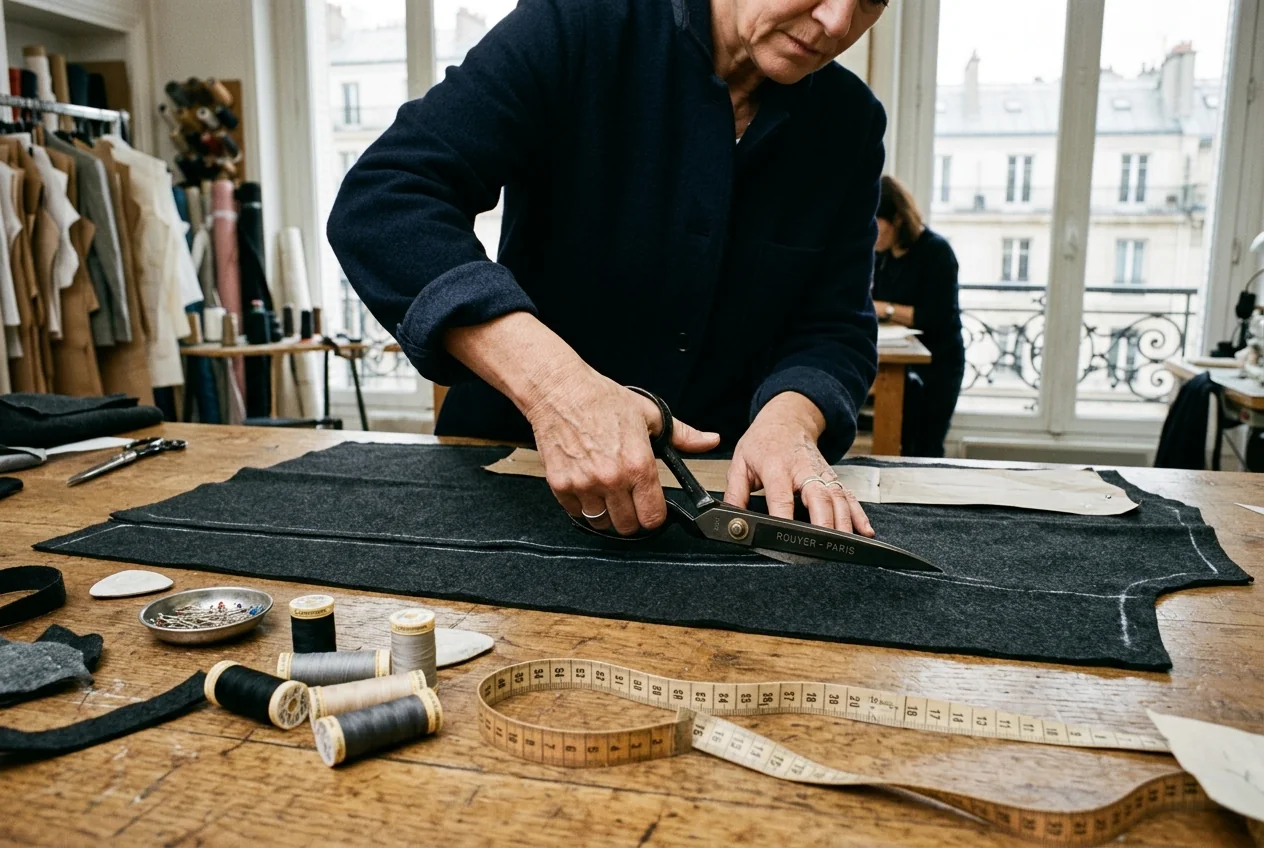
- Manufacturing: Prototyping and handcrafted assembly in Paris (Sentier); interior seams finished with cotton bias tape.
The Signature Innovation: The Invisible Magnetic Closure
While the Flupke’s cut has its roots in feudal Japan, its closure system is a radical feat of contemporary engineering. We’ve found that metal zippers always end up getting stuck, tearing delicate linings, or creating unsightly ripples when you sit down. As for traditional buttons, they require you to take off your gloves in the winter and involve a tedious mechanical effort.
So we designed a invisible magnetic device Patented. By incorporating ultra-powerful N52-grade neodymium magnets hidden between the lining and facing layers, the Flupke jacket closes on its own with a simple, light touch. As soon as the two sides of the jacket come together, a soft, reassuring «click» seals the jacket tightly against gusts of fall wind.
This revolutionary system also lets you adjust the opening in a quarter of a second, with just one hand, without even having to look at your chest. It’s an addictive tactile sensation that transforms getting dressed into a fluid and intuitive ritual.
Style and Body Type Tips: The Art of Contemporary Layering
Designed from the outset as a unisex garment without any artificial gender distinctions, the Flupke jacket adapts with disconcerting ease to all body types thanks to its clean, vertical cut:
- For winter layering (5°C to 12°C): Wear the Flupke over a fine merino wool turtleneck or an oversized hoodie made of unbrushed fleece. Pair it with our Shaka Bermuda Shorts over thermal tights or with straight-leg pleated pants for a brutalist-inspired, architectural look.
- During the shoulder season and on summer evenings (15°C to 22°C): Located near one of our Screen-printed heavyweight jersey T-shirts, with the sleeves slightly rolled up to reveal the contrasting inner cuff.
- In the workplace: Worn buttoned up to the top button, it serves as an excellent alternative to the traditional, stiff blazer, exuding understated authority and immediate creative distinction.
To learn more about our creative process and understand how our pieces come together to form a cohesive wardrobe, feel free to explore our Editorial & Inspiration page or to learn about the overall history of our brand through the article dedicated to Kanten Project.
Matching pieces in the Kanten wardrobe
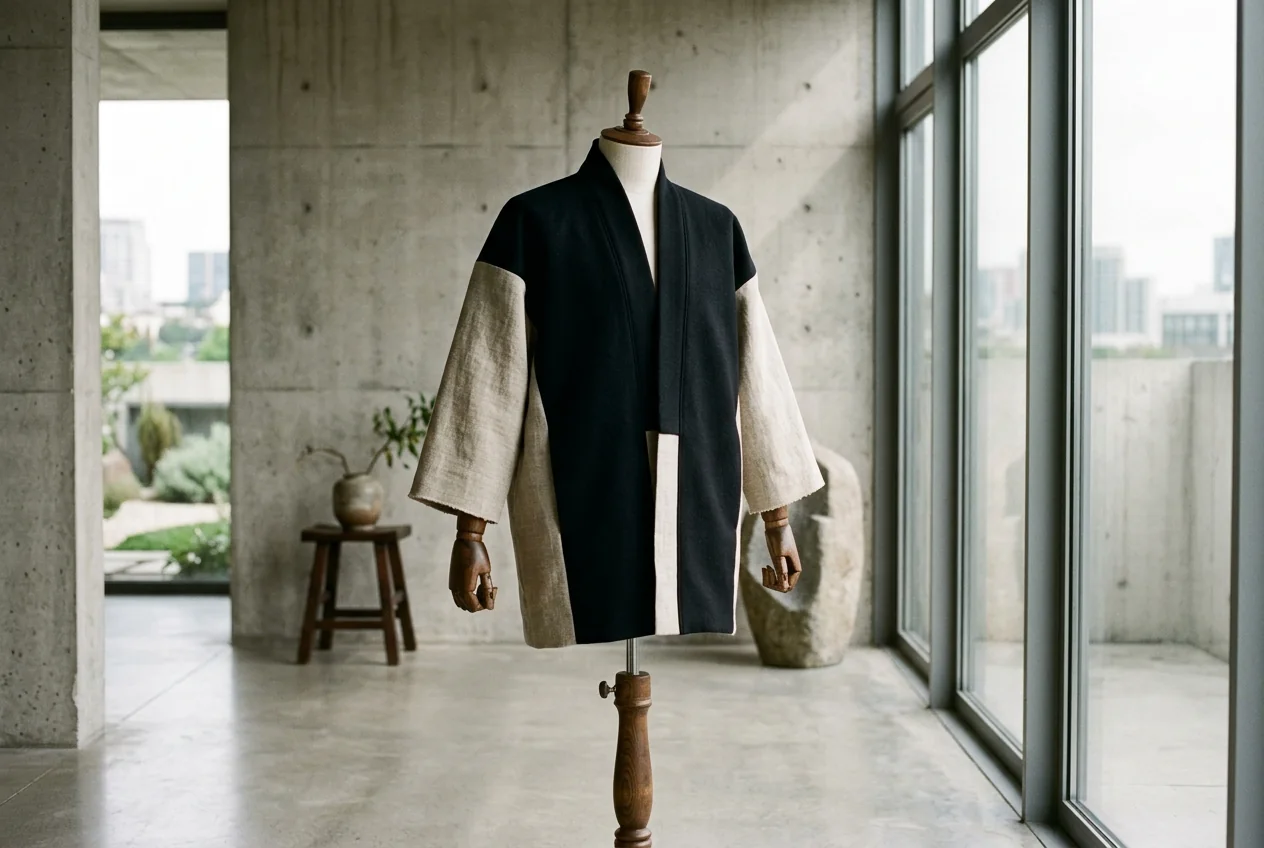
Flupke Jacket — Mineral Black
Contemporary Hanten cut, upcycled wool fabric, hidden neodymium magnetic closure.
Hanpi Short Kimono
The lightweight, unlined organic cotton twill top for the warmer months.
Shaka Bermuda Shorts
Deep pleats inspired by the Japanese hakama for a structured look.
 English
 French